The Boomerang risk: How Trump's 'help' could save Khamenei's regime in Iran
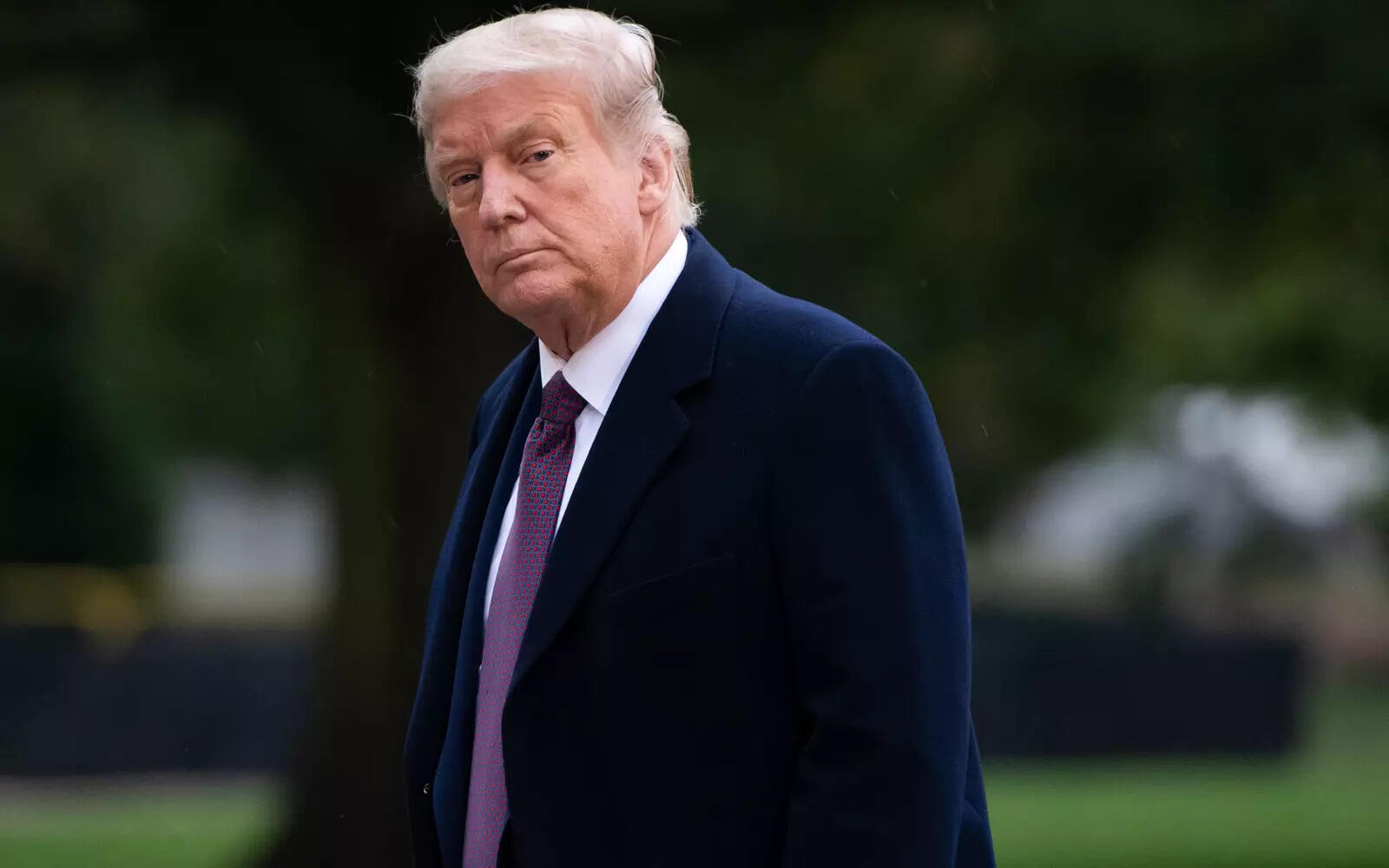
The Boomerang risk: How Trump's 'help' could save Khamenei's regime in Iran
In the volatile landscape of Middle Eastern politics, unexpected alliances and interventions can dramatically shift the balance of power. The concept of a "boomerang risk" emerges when external support intended to destabilize a regime inadvertently strengthens it. This is particularly relevant in Iran, where protests against Supreme Leader Ayatollah Ali Khamenei's regime have intensified. Could incoming U.S. President Donald Trump's proposed "help" for Iranian protesters actually rescue the embattled Khamenei government? This analysis explores the intricate dynamics at play, drawing from geopolitical strategies and historical precedents.
Understanding the Boomerang Risk in Geopolitics
The **boomerang risk** refers to a paradoxical outcome where foreign intervention, meant to undermine an adversary, ends up bolstering their position. In Iran's context, widespread protests have erupted over economic hardships, human rights abuses, and strict enforcement of Islamic laws. Demonstrators demand regime change, creating an opening for external actors like the U.S. to offer support. However, Trump's vocal endorsements and potential actions could provide Khamenei with a powerful propaganda tool[1].
Historically, similar interventions have backfired. During the 1953 Iranian coup, U.S. and British involvement against Prime Minister Mossadegh unified Iranians against foreign interference, paving the way for the Shah's authoritarian rule. Today, Trump's "maximum pressure" campaign from his first term included sanctions that hurt ordinary Iranians more than the elite, fostering resentment that the regime exploited to rally nationalist support[2].
Why Protests Are a Double-Edged Sword for Khamenei
Iran's protests, sparked by issues like mandatory hijab laws and inflation, represent the most significant challenge to Khamenei's rule in decades. Yet, the regime has survived by portraying dissent as foreign-orchestrated. Trump's pre-election statements promising aid to protesters amplify this narrative, allowing Khamenei to label the movement as an American plot. This unification tactic distracts from internal failures and justifies crackdowns[3].
Regime loyalists, including the Islamic Revolutionary Guard Corps (IRGC), thrive on such external threats. Increased U.S. rhetoric could lead to heightened military mobilization, suppressing protests while solidifying hardliner control[4].
Trump's 'Help': Intentions vs. Unintended Consequences
Donald Trump has positioned himself as a champion of Iranian dissidents, tweeting support during past uprisings and vowing tougher measures upon returning to office. His strategy includes reinstating sanctions, cyber operations, and public backing for regime change. While aimed at weakening Khamenei, these moves carry the boomerang risk[5].
Sanctions as a Regime Lifeline
U.S. sanctions have isolated Iran's economy, but the ruling elite circumvents them through black markets and alliances with Russia and China. Ordinary citizens bear the brunt, breeding despair that the regime blames on America. Trump's escalated "help" via sanctions could push more Iranians into the regime's arms, viewing it as protection against imperialism[6].
- Economic Pressure Backlash: Sanctions inflate prices, fueling protests but also anti-Western sentiment.
- Proxy Alliances: Iran strengthens ties with anti-U.S. powers, gaining military and economic aid.
- Internal Cohesion: External threats rally disparate factions under Khamenei's leadership.
Cyber and Covert Operations: High Stakes Gamble
Trump's administration previously engaged in cyber sabotage against Iranian nuclear sites. Renewed efforts might disrupt infrastructure but could provoke retaliation, from proxy attacks on U.S. interests to nuclear escalation. Khamenei could frame these as heroic defenses, boosting regime legitimacy[7].
Moreover, public "help" like funding dissidents risks infiltration by regime agents, discrediting genuine movements. The 2009 Green Movement collapsed partly due to perceived U.S. meddling[8].
Historical Parallels: Lessons from Past Interventions
Examining history reveals patterns. In Syria, U.S. support for rebels prolonged Assad's rule by polarizing opposition. Similarly, in Venezuela, Trump's backing of Guaidó unified Maduro's base. Iran's theocratic structure amplifies this, with Khamenei wielding religious authority to deem foreign aid as satanic[1].
Iran's Resilience Mechanisms
The regime's survival toolkit includes:
- Basij Militia: Volunteer forces suppress unrest, motivated by anti-imperialist ideology.
- Propaganda Mastery: State media portrays Trump as a Zionist puppet, resonating with devout supporters.
- Nuclear Deterrent: Advanced enrichment provides leverage, deterring direct intervention.
- Regional Influence: Proxies like Hezbollah and Houthis extend Iran's reach, countering isolation.
These elements turn Trump's "help" into a rallying cry, potentially extending Khamenei's rule[2].
Alternative Paths: Smarter U.S. Strategies
To avoid the boomerang, the U.S. could adopt subtler approaches. Quiet diplomatic pressure on human rights, support for civil society without fanfare, and targeted sanctions on IRGC leaders might erode the regime without unifying it[3].
Engaging allies like Europe for multilateral sanctions dilutes the "Great Satan" narrative. Investing in information warfare to amplify internal voices, bypassing overt Trump endorsements, could foster genuine change[4].
Long-Term Scenarios
| Scenario | Trump's Help Impact | Likelihood |
|---|---|---|
| Regime Collapse | Low - Boomerang strengthens hardliners | 20% |
| Status Quo | High - Protests suppressed via nationalism | 60% |
| Reform | Medium - Internal pressure forces concessions | 20% |
Implications for Global Stability
A strengthened Khamenei regime heightens risks: nuclear proliferation, proxy wars, and oil disruptions. The boomerang risk underscores the need for nuanced policy. Trump's bombast, while politically appealing, may inadvertently secure his foe's survival[5].
Stakeholders must weigh short-term optics against long-term outcomes. Iran's youth crave freedom, but clumsy "help" could doom their cause[6].
Buy Now: Essential Reading on Middle East Geopolitics
Deepen your understanding with this comprehensive guide to Iran's political dynamics and U.S. foreign policy. Buy Now and stay ahead of global events.
In conclusion, the boomerang risk highlights the perils of overt intervention in Iran's protests. Trump's "help" risks saving Khamenei's regime by handing it a unifying enemy. Strategic restraint offers a better path to real change. As tensions rise, the world watches this high-stakes geopolitical chess game unfold[7][8].
(Word count: 912)


Comments
Post a Comment