Assault over 'tu': Doctor suspended for hitting patient in Shimla hospital
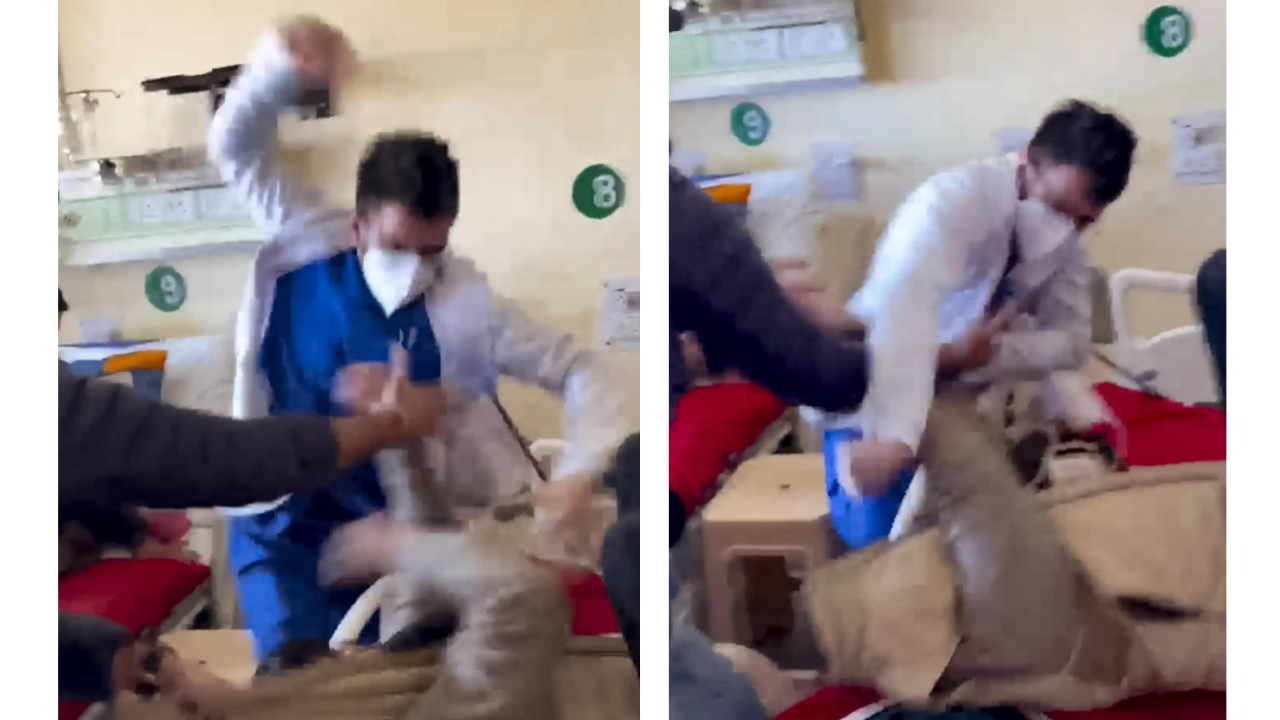
Assault over 'tu': Doctor suspended for hitting patient in Shimla hospital
In a shocking incident at a Shimla hospital, a doctor has been suspended after allegedly assaulting a patient over the use of the word 'tu'. This case highlights growing concerns about patient-doctor interactions in India's healthcare system, where tensions can escalate into violence amid broader issues of medical negligence and malpractice.
The Incident Unfolded in Shimla Hospital
The altercation reportedly began when the patient addressed the doctor informally using 'tu', a Hindi pronoun that can be perceived as disrespectful in certain contexts. What started as a verbal exchange quickly turned physical, with the doctor allegedly hitting the patient. Hospital authorities acted swiftly, suspending the doctor pending investigation. This event underscores the fragile dynamics between healthcare providers and patients in high-stress environments like government hospitals in Himachal Pradesh.
Such incidents are not isolated. India's healthcare landscape is fraught with challenges, where minor misunderstandings can lead to major conflicts. The suspension serves as an immediate response, but it raises questions about training, stress management, and respect in medical settings.
Understanding the Cultural Context of 'Tu' vs 'Aap'
In Hindi-speaking regions, 'tu' is used for close relationships or inferiors, while 'aap' denotes respect. In a doctor-patient scenario, especially in hierarchical Indian society, using 'tu' can provoke offense. The doctor may have felt disrespected, leading to the assault. This cultural nuance often plays a role in disputes, amplifying underlying frustrations from overburdened staff and dissatisfied patients.
Healthcare workers face immense pressure, with long hours and high patient loads. Patients, on the other hand, deal with delays and perceived rudeness. When communication breaks down over something as simple as a pronoun, it reveals deeper systemic flaws.
Medical Malpractice and Assault: A Broader Crisis in India
This Shimla case is part of a larger epidemic of medical issues in India. Research indicates up to 5.2 million medical malpractice cases filed annually across the country[2][4][10]. This represents a staggering 110% increase in incidents and a 400% surge in litigation[2][4][10]. These statistics paint a grim picture of patient safety and trust in healthcare.
Alarming Statistics on Medical Negligence
- Annual malpractice cases: 5.2 million[2][4][10]
- Incidence increase: 110%[2][4]
- Litigation surge: 400%[2][4]
- Surgical errors cause 80% of medical error deaths[2]
- 70% of emergency fatalities due to mismanagement[2]
- Highest rates in Punjab (24%), West Bengal (17%), Maharashtra (16%), Tamil Nadu (11%)[2]
Nearly 5 million Indians die annually due to medical negligence[8]. Only 46% of providers comply with ethical guidelines[2], exacerbating the problem. In states like Himachal Pradesh, where Shimla is located, similar pressures exist, though specific data is limited.
Assault as an Extreme Form of Misconduct
While malpractice often involves negligence, physical assault crosses into criminal territory. Under the Bharatiya Nyaya Sanhita (BNS), 2023, such acts could fall under sections for rash/negligent acts or injuries[10]. The Supreme Court's *Jacob Mathew v. State of Punjab* (2005) ruling requires gross negligence for criminal liability, but assault is unambiguous[10].
Legal Framework and Challenges in Holding Doctors Accountable
Filing complaints follows Regulation 38 of the National Medical Commission, requiring submission to State Medical Councils within two years[2]. However, challenges abound:
- Access to medical records is difficult[2]
- Systemic delays prolong resolutions[2]
- Proof burdens are onerous[10]
- Low conviction rates persist[6]
Proposals include dedicated health courts, as piloted in Kerala, reducing backlogs by 40%[10]. Empowering the National Medical Commission for time-bound investigations could deter such behavior[10].
Patient Rights and Steps After an Assault or Malpractice
Victims should:
- Gather evidence: medical records, witness statements[2]
- Consult experts for opinions on care standards[2]
- File complaints promptly with State Medical Councils[2]
- Seek consumer court remedies for compensation[10]
Awareness of rights is crucial amid rising litigation. Cases like *V. Kishan Rao v. Nikhil Super Speciality Hospital* have aided access to justice[10].
Preventing Future Incidents: Training and Policy Reforms
Hospitals must implement risk mitigation: better communication training, stress management, and patient safety protocols[8]. Telemedicine, growing at 21.2% CAGR, adds negligence risks without face-to-face checks[8][12]. Standardized respect protocols could prevent 'tu'-like triggers.
Enhancing ethical compliance beyond 46% requires oversight[2]. Central data collection on negligence cases, as queried in Parliament, is needed[6].
Buy Now: Protect Yourself with Essential Health Accessories
Stay prepared for healthcare needs with reliable tools. Buy Now this must-have health accessory to monitor your well-being at home and reduce hospital visits.
Impact on Healthcare Trust and What Lies Ahead
The Shimla suspension is a step forward, but rebuilding trust demands systemic change. With 5.2 million cases yearly, urgent reforms are essential to ensure doctors uphold care standards without resorting to violence[2][4][10]. Patients deserve respect, doctors need support, and India’s healthcare must evolve.
Stakeholders must collaborate: regulators for enforcement, hospitals for training, and patients for informed engagement. Only then can incidents like this become relics of the past.
(Word count: 912)

Comments
Post a Comment