Tesla ends FSD sale: To be available only as subscription; Elon Musk’s $1T pay may be reason
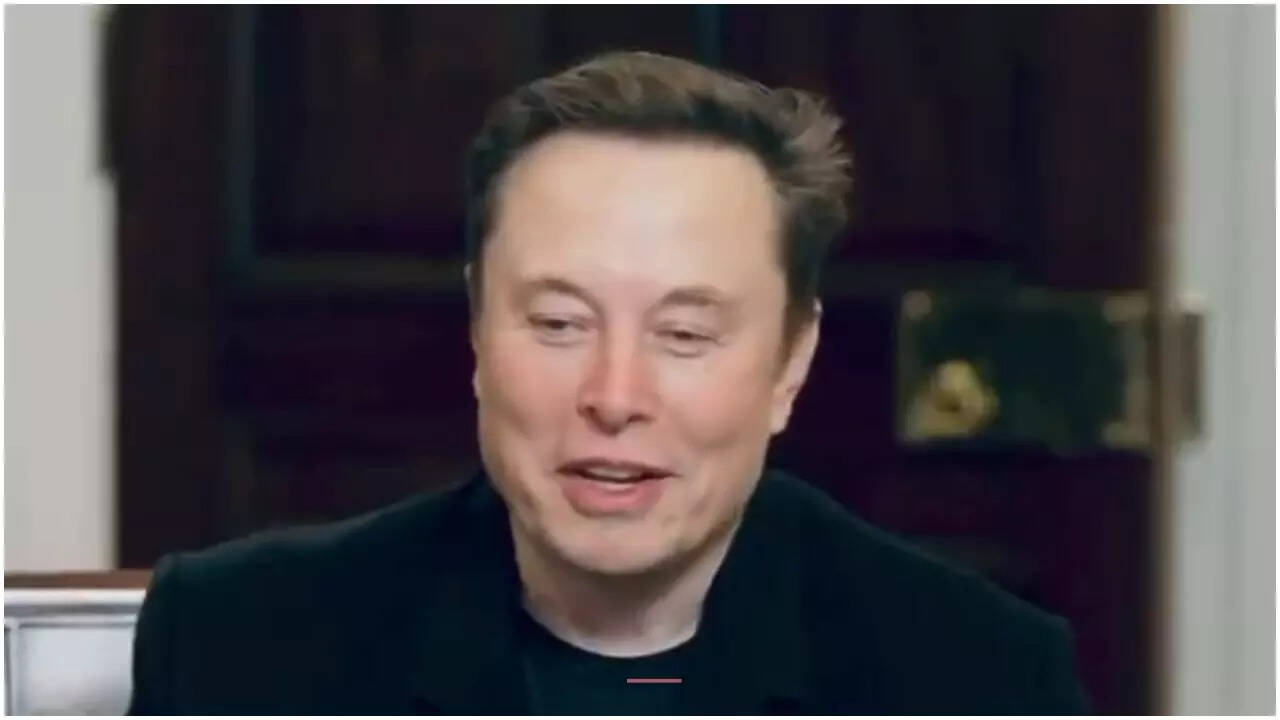
Tesla ends FSD sale: To be available only as subscription; Elon Musk’s $1T pay may be reason
Tesla is making a major shift in how customers access its advanced Full Self-Driving (FSD) software. Starting February 14, the one-time purchase option for FSD will end, leaving subscriptions as the only way to get this driver-assistance technology. Elon Musk announced this change on X, sparking debates about ownership, recurring revenue, and even ties to his massive compensation package.
What is Tesla's Full Self-Driving (FSD)?
Full Self-Driving (Supervised), often called FSD, is Tesla's suite of advanced driver-assistance features. It includes capabilities like steering, accelerating, braking, emergency braking, collision warnings, and blind-spot monitoring. Despite the name, FSD is classified as Level 2 by SAE standards, meaning drivers must remain attentive and ready to take control at any time. It's not fully autonomous yet, but Tesla positions it as a stepping stone to future robotaxi services and unsupervised driving.
Currently, eligible Tesla vehicles with Full Self-Driving computer 3.0 or above, plus Basic or Enhanced Autopilot, can access FSD. Owners check eligibility via the Tesla app or touchscreen under Controls > Software > Additional Vehicle Information. Subscriptions cost $99 per month regardless of whether you have Basic Autopilot or Enhanced Autopilot. Hardware upgrades for the FSD computer are separate and scheduled through the app.
The End of One-Time FSD Purchases
Elon Musk's announcement marks the close of an era. Until February 14, customers can still buy FSD outright for $8,000. After that, it switches to monthly subscriptions only, at $99 per month or $999 annually where available. This reverses years of Musk promoting FSD as an "appreciating asset," with prices fluctuating from $5,000 at launch to $15,000 in 2022, then down to $8,000 in 2024 alongside subscription cuts from $199 to $99 monthly.
Existing FSD owners keep their software, but transferability to new vehicles is unclear. Tesla previously allowed limited-time transfers, but this subscription pivot raises questions. Analysts note low adoption rates—around 12-15% of the fleet—prompting price adjustments to boost uptake.
Why Now? Subscription Model Advantages for Tesla
This move aligns with broader tech trends toward software-as-a-service (SaaS). Tesla gains recurring revenue, flexibility in pricing, and avoids hardware upgrade commitments if full autonomy demands changes. Subscriptions let Tesla handle updates, security, and maintenance while charging ongoing fees. It could increase adoption by lowering the entry barrier—no $8,000 upfront hit.
For short-term users, like those on leases (often under five years), subscriptions make sense financially. At $99/month, it takes over six years to match the purchase price, exceeding many lease terms. Users can subscribe for road trips or testing, then cancel, staying on the latest FSD branch while active.
Customer Reactions: Ownership vs. Subscriptions
Online backlash is fierce. Many lament the "you will own nothing and be happy" shift, echoing criticisms of subscription creep in cars (e.g., BMW heated seats) and beyond (streaming, fitness). FSD buyers saw it as a fixed investment immune to future hikes, especially with unsupervised FSD looming.
Pros of buying now before February 14:
- Locked-in $8,000 price, shielding from subscription increases.
- Lifetime access for long-term owners.
- Potential value if FSD enables robotaxis or appreciates.
Cons of buying:
- High upfront cost vs. flexible $99/month.
- Uncertain transfer policy post-change.
- Low current adoption suggests limited immediate value.
Subscription pros: Test-drive FSD, cancel anytime, always latest version. Cons: Ongoing costs, possible price jumps to $199+ later.
Link to Elon Musk's $1 Trillion Pay Package?
The timing fuels speculation about Musk's compensation. His package ties to Tesla milestones like market cap and tech achievements. Shifting to subscriptions could boost recurring revenue, aiding valuation goals for that trillion-dollar payday. Tesla's robotaxi push, including Austin trials and San Francisco supervised rides, underscores FSD's centrality. MotorTrend named it 2026's Best Tech Award winner for ADAS.
Financial Breakdown: Buy Now or Subscribe?
| Option | Cost | Best For |
|---|---|---|
| One-Time Purchase (until Feb 14) | $8,000 | Long-term owners, believers in FSD future |
| Monthly Subscription | $99/month | Short-term users, testers, lease drivers |
| Annual Subscription | $999/year | Heavy users avoiding monthly billing |
Break-even: $8,000 / $99 = ~81 months (6.75 years). If you keep your Tesla longer, buy now. Shorter? Subscribe.
Impact on Tesla's Strategy and Robotaxi Future
FSD is core to Tesla's vision: robotaxis, unsupervised driving, fleet monetization. Subscriptions won't affect ongoing programs but reshape consumer access. With low take rates, this lowers barriers, potentially growing the 12-15% user base. Tesla's October earnings hinted at "small" penetration, driving these changes.
Buy Now Section
Still on the fence? If you're eyeing a Tesla with FSD potential, gear up with essentials. Buy Now for accessories that enhance your drive while you decide on FSD.
What Should Tesla Owners Do Next?
Act before February 14 if buying outright appeals. Monitor Tesla app for updates on pricing, transfers, and eligibility. Subscriptions offer flexibility in a fast-evolving tech landscape, but ownership feels secure for believers. This shift highlights Tesla's SaaS pivot—recurring fees over one-offs—mirroring Netflix or Peloton.
As FSD improves, subscriptions ensure access to upgrades. Yet, for long-haul Tesla fans, that last-chance $8,000 buy locks in value. Weigh your driving habits, ownership timeline, and faith in Musk's autonomy roadmap.
(Word count: 912)


Comments
Post a Comment