Meta’s most-famous employee to students: Do not study computer; focus on core subjects
Meta’s most-famous employee to students: Do not study computer; focus on core subjects
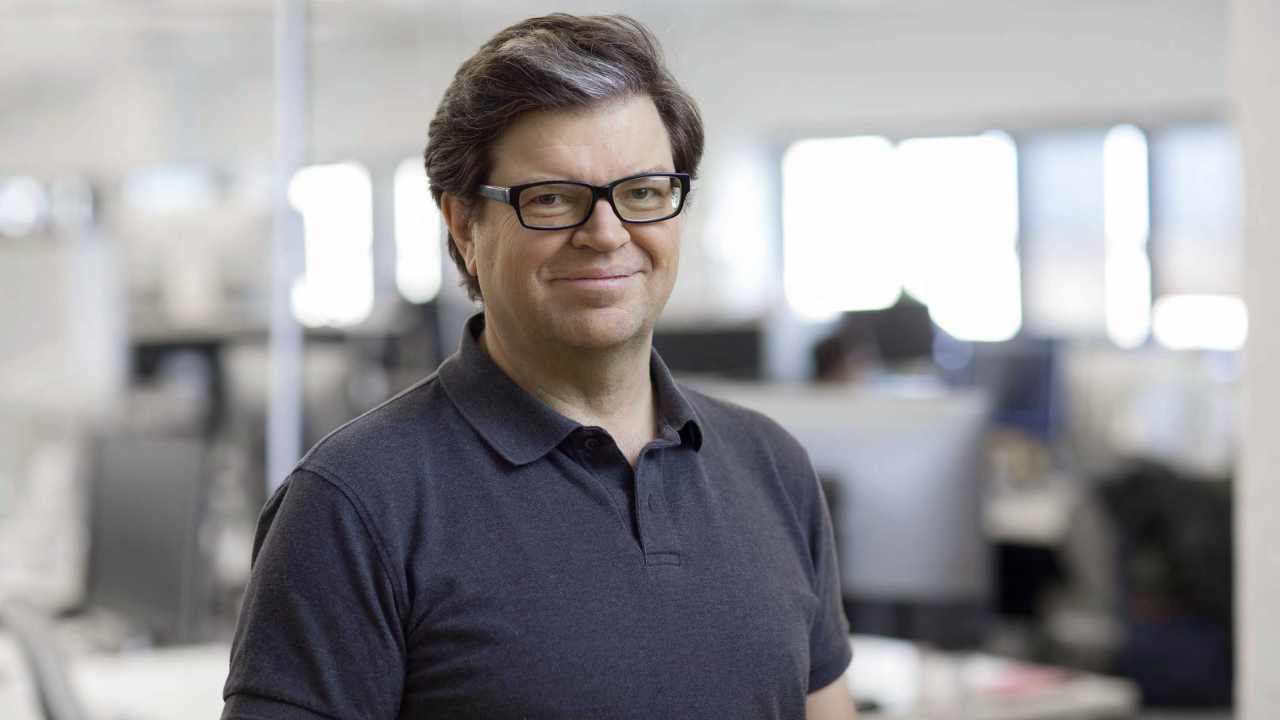
In a surprising turn of events, Yann LeCun, Meta's Chief AI Scientist and a self-proclaimed computer science professor, has delivered bold advice to students. He urges them to skip studying computer science and instead prioritize core subjects. This statement from one of tech's most prominent figures challenges conventional wisdom in education and career planning.
Who is Yann LeCun and Why Does His Advice Matter?
Yann LeCun stands as Meta’s most-famous employee, renowned for his pioneering work in artificial intelligence. As the company's Chief AI Scientist, he has shaped the future of machine learning and deep neural networks. His credentials include being a Turing Award winner and a pioneer in convolutional neural networks, which power modern AI systems.
LeCun's advice carries weight because he embodies success in computer science. Yet, he tells students: "Do not study computer." Instead, he advocates focusing on core subjects like mathematics, physics, and biology. This contrarian view stems from his belief that foundational knowledge equips students better for an AI-driven world where coding becomes automated.
His perspective aligns with broader debates in tech education. For instance, Meta CEO Mark Zuckerberg has criticized colleges for not preparing students adequately for jobs, highlighting issues like high costs and student debt. Zuckerberg, a Harvard dropout, emphasizes building relationships over rote learning.
The Rise of AI and Shifting Skill Demands
LeCun's recommendation reflects the rapid evolution of technology. AI tools now handle much of the coding and programming tasks that once required years of computer science training. Students immersed in core subjects gain deeper problem-solving abilities, essential for innovating beyond what AI can automate.
This mirrors advice from other Meta leaders. Meta AI Chief emphasizes learning from figures like Bill Gates and Mark Zuckerberg by diving into tools early through hands-on "vibe-coding" rather than formal classes. However, LeCun flips this by prioritizing theory over practice in tech-specific fields.
Why Skip Computer Science? LeCun's Core Arguments
LeCun argues that computer science curricula emphasize syntax and programming languages that change rapidly. Core subjects, by contrast, teach timeless principles. Mathematics builds logical reasoning, physics fosters understanding of complex systems, and biology reveals patterns in nature—skills directly applicable to AI research.
"Focus on understanding the world, not just coding it," LeCun implies. In an era where AI generates code, humans must excel at framing problems and interpreting results. This shift demands interdisciplinary knowledge, not siloed tech training.
Contrasting Views from Tech Leaders
Not everyone agrees. Zuckerberg stresses the social value of college, where he met key partners like Priscilla Chan and Facebook co-founders. He hires based on whether he'd work for someone, prioritizing people skills alongside technical ability.
Meanwhile, Meta AI Chief urges teens to code extensively, likening it to the personal computer revolution. "If you're thirteen now, you should live your entire life coding," he says, highlighting early mover advantages in AI.
LeCun's stance bridges these: core subjects prepare the mind for AI's "moment of discontinuity," while practical exposure follows naturally.
Implications for Students and Parents
For students, this advice prompts reevaluation of majors. Computer science remains popular, but oversupply looms as AI automates entry-level roles. Core subjects offer versatility across industries, from healthcare to climate tech.
Parents face tough choices amid rising college costs. Zuckerberg notes colleges leave graduates in debt without job guarantees. LeCun's view supports alternatives like online courses or self-study for tech skills, paired with strong fundamentals.
Building a Balanced Education Path
- Master core subjects: Prioritize math, physics, and sciences for foundational thinking.
- Supplement with AI tools: Use free resources to experiment without formal CS degrees.
- Cultivate networks: Follow Zuckerberg's advice—surround yourself with inspiring peers.
- Embrace hands-on learning: Build projects to apply knowledge practically.
This hybrid approach maximizes opportunities in a transforming job market.
Critiques and Counterpoints to LeCun's Advice
Critics argue skipping CS ignores immediate job demands. Tech giants still hire programmers en masse. However, LeCun counters that true innovation requires more than coding proficiency.
Zuckerberg echoes concerns about education's ROI, funding tuition-free schools for low-income families. He questions if college is worth the debt when jobs don't require degrees.
Balancing views, students might blend core subjects with CS electives, creating adaptable skill sets.
How Tech Leaders Like LeCun Shape Educational Debates
LeCun's comments spotlight tensions between academia and industry. Tech pioneers like Gates and Zuckerberg succeeded outside traditional paths, dropping out to build empires. LeCun, with his professor title, validates academic rigor in non-CS fields.
This influences policy: more funding for STEM beyond computing, emphasis on interdisciplinary programs.
Practical Steps for Aspiring Innovators
- Assess interests: Choose subjects igniting passion, not trends.
- Learn AI basics: Free platforms teach tools without degrees.
- Network strategically: Seek mentors you'd work for, per Zuckerberg.
- Prototype ideas: Apply core knowledge to real-world problems.
Buy Now: Essential Resources for Future-Proof Learning
To dive deeper into core subjects and AI foundations, equip yourself with top-rated tools. This comprehensive guidebook on mathematics and physics for AI enthusiasts is perfect for students following LeCun's advice. Buy Now and start building timeless skills today.
The Future of Education in the AI Age
LeCun's provocative advice signals a paradigm shift. As AI handles routine tasks, human value lies in creativity and deep understanding. Students focusing on core subjects position themselves as leaders, not just coders.
While debates continue—Zuckerberg on college's social merits, others on relentless coding—LeCun urges boldness. In a world of rapid change, foundational knowledge endures.
Tech education evolves, blending theory, practice, and networks. Students heeding this diverse counsel from Meta's icons will thrive amid uncertainty.
(Word count: 912)


Comments
Post a Comment